PREPARE YOUR TRIP
Planning a trip to the Amazon can bring up many questions. To ensure your experience is unforgettable, we’ve compiled the most important information regarding the climate, what to pack, and health guidelines.
When is the Best Time to Visit?
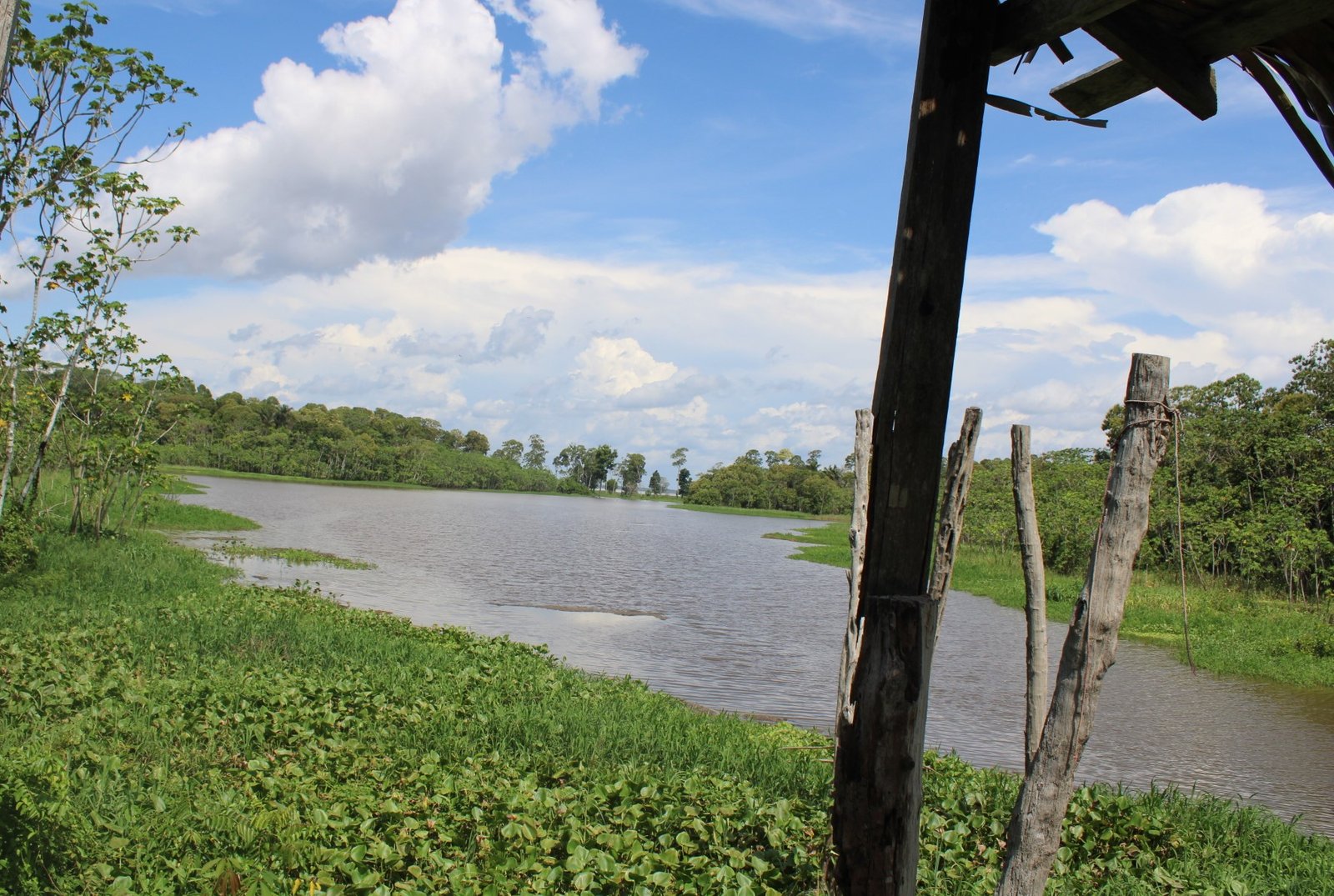
The Amazon is a fascinating destination all year round. The biggest change in the landscape isn’t caused by temperature, but by the dramatic fluctuation in river levels—which can vary by more than 11 meters (36 feet) over the course of the year. This creates two distinct seasons, each with its own unique beauty.
- The Dry Season (Amazonian Summer: June – November) During this period, the days are sunnier and rainfall, while possible, is usually brief. The river levels drop significantly, revealing vast white sand beaches that form throughout the archipelago around September.
- Temperature: The weather is hot, with averages around 30°C (86°F), and can reach peaks of 35°C (95°F).
- The Flood Season (Amazonian Winter: December – June) This season brings slightly milder temperatures due to more frequent rain. From March onwards, the rivers reach their highest levels, flooding the lower parts of the forest and creating the spectacular igapós—the famous flooded forest, which allows for unique boat tours among the treetops.
- Temperature: The average is around 25°C (77°F), generally fluctuating between 23°C (73°F) and 30°C (86°F).
What to Pack and Wear
Packing for the jungle is simpler than it sounds. The climate in our region is hot and humid year-round. The key is to prioritize light, comfortable, and breathable clothing.
Think of your trip as a complete tropical experience: you will have moments of relaxation by the pool and moments of exploration in the forest. Even during a rain shower, a light rain jacket or windbreaker is all you need to stay comfortable.
Given the constant heat and humidity, we recommend bringing enough clothing for your entire stay. However, Anavilhanas does offer a laundry service (available for an additional fee) should you need it.
Essential Packing Checklist:
- Sun Protection: Sunscreen, a hat or cap, and sunglasses.
- For the Trails: It is essential to bring at least 1 pair of closed-toe shoes (sneakers or hiking boots) and 1 pair of comfortable long pants.
- Casual Wear: Lightweight t-shirts, shorts, and/or bermudas.
- For the Water: Swimwear to enjoy the pool or a dip in the river.
- Comfort: Comfortable sandals or flip-flops.
- Precautions: A light rain jacket or windbreaker.
- Personal Items: Any personal medications you use regularly and your toiletries.
- Equipment: Camera are highly recommended to capture the wildlife.
- Insect Repellent: Only for use on the trails (see more in the health section).
Health & Safety in the Jungle
- Your health and well-being are our priority. Here are the answers to the most common health questions:
Do I Need a Yellow Fever Vaccine?
Yes. Although it is not mandatory, the Brazilian Ministry of Health recommends that all travelers visiting the Amazon region be vaccinated against yellow fever. The vaccine should be administered at least 10 days before your arrival.
In 2013, the World Health Organization (WHO) confirmed that a single dose of the vaccine provides lifelong immunity. Therefore, if you have been vaccinated in the past, even many years ago, you do not need to receive a booster.
Are There Many Mosquitoes?
Contrary to popular belief, there are surprisingly few mosquitoes in our region (the Rio Negro basin). This is because the water of the Rio Negro is naturally acidic (it has a low pH) due to the decomposition of organic matter from the forest. This acidity inhibits the proliferation of most insects, including mosquitoes.
- Is insect repellent necessary? In the common areas of the hotel and on boat tours, it is generally not needed. However, during trails in the forest (where there might be standing water in puddles or plants like bromeliads), a few mosquitoes may appear. As a precaution, we recommend bringing a repellent to use exclusively for these activities. If you forget, our team can provide some for you.
Is This a Risk Area for Malaria?
The Rio Negro region is considered a low-risk area for malaria transmission. The geographical characteristics, such as the acidic and flowing waters, are unfavorable for the breeding of the specific mosquitoes that transmit the disease, making the risk much lower than in other tropical regions.
Practical Information
Traveling with Children
The Amazon itself is the best attraction for children. The opportunity to share family experiences like night-spotting, canoeing, and forest trails while learning the secrets of the jungle from our guides creates an unforgettable sense of wonder and lifelong memories.
Getting Here
The starting point for your journey to our lodges is Manaus International Airport – Eduardo Gomes (MAO). The airport receives daily flights from major Brazilian cities and several international destinations.