

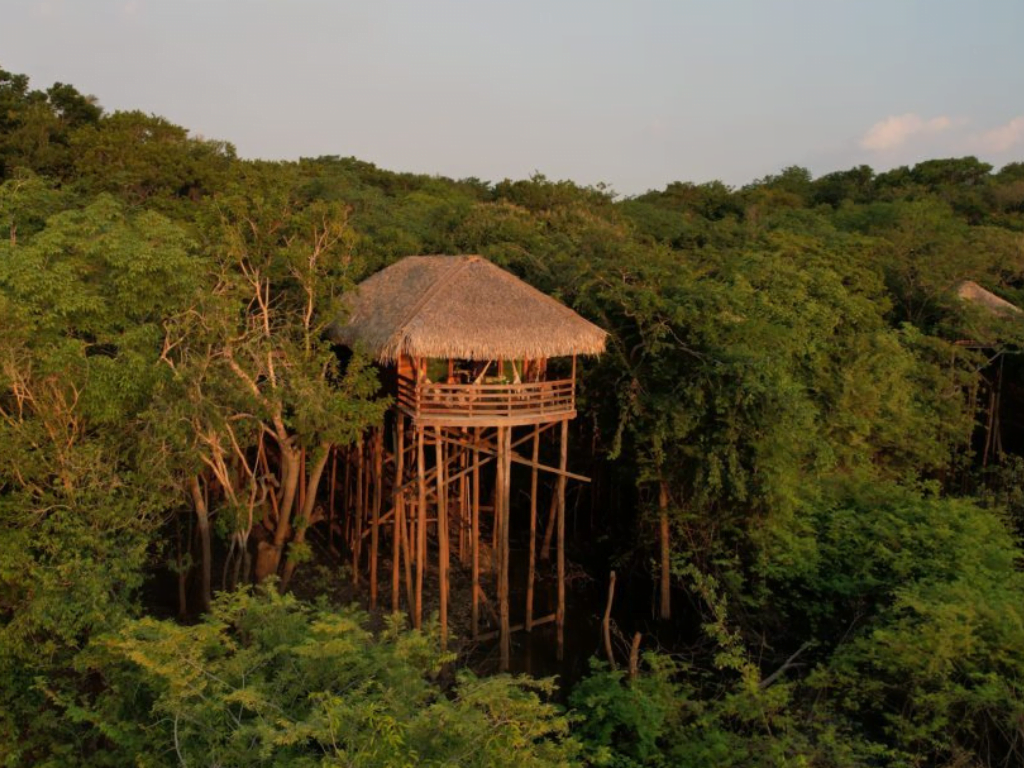
Choosing your jungle lodge is undoubtedly the decisive factor for the success of your Amazonian adventure, especially in the vast region of the state of Amazonas, Brazil. Starting from Manaus, the capital, travelers find a world of options that serve as gateways to the planet’s greatest biodiversity.
In a landscape where sustainable and conscious tourism sets the standard, finding the perfect balance between comfort, authenticity, and socio-environmental responsibility is more vital than ever. This focused guide will help you navigate the options around Manaus and select the perfect rainforest retreat.
What Defines a Jungle Lodge in Amazonas?
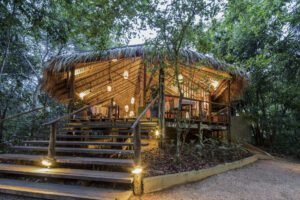
Unlike conventional hotels, an Amazon jungle lodge is an accommodation designed to be in total harmony with the forest, whether on the banks of the great rivers or immersed in the primary rainforest. The main objective is to provide a deep immersion experience in nature, without sacrificing essential comforts.
The best lodges in Amazonas function as secure bases for exploration, offering sanctuary from the elements and access to extraordinary experiences, from observing rare wildlife (like pink river dolphins and monkeys) to authentic cultural exchanges with riverside communities.
Crucial Factors in Choosing Your Jungle Hotel
Analyzing the following points will ensure your choice aligns with your expectations.
1. Location and Accessibility (From Manaus)
The logistics from Manaus are the first point to define. Your lodge’s location directly impacts the ecosystem (the dark waters of the Rio Negro vs. the muddy waters of the Rio Solimões) and the transfer time:
- Remote Lodges: Situated deep in the forest, such as in private reserves (e.g., Juma Reserve) or national parks (e.g., Anavilhanas), they offer unparalleled immersion and opportunities to see more untouched wildlife. However, be prepared for longer transfers (usually 3 to 4 hours combining car and boat).
- Best for: Serious nature enthusiasts, photographers, and travelers seeking a wild, authentic experience.
- Accessible Lodges: Located closer to Manaus (e.g., on the Rio Ariaú or nearby banks of the Rio Negro), they are reachable within 1 to 2 hours. They provide an excellent “first impression” of the Amazon and are ideal for those with less time, without sacrificing the rainforest experience.
- Best for: First-time visitors to the Amazon, families with children, or travelers on tight schedules.
2. Ecological Commitment (Sustainability)

Real sustainability is an operational pillar. When evaluating a lodge’s environmental credentials, look for concrete evidence:
- Use of renewable energy systems (solar panels are fundamental in the region).
- Water and sewage treatment facilities (to avoid polluting the rivers).
- Effective waste management programs and minimization of plastic use.
- Harmonious construction, using locally sourced materials and techniques that minimize deforestation.
- Direct contribution to conservation initiatives or support for scientific research.
3. Comfort Level and Amenities
Jungle lodges in the Manaus region vary dramatically:
- Basic (Rustic): Focused on the experience. They provide clean, safe accommodations with the essentials: mosquito nets, private bathrooms (often with cold/natural water showers), and simple regional meals.
- Mid-Range (Comfort): The ideal balance. They offer additional comforts like hot water, air conditioning (often on limited schedules to save energy), more spacious rooms, and enhanced dining options.
- Luxury (Premium Eco-Lodges): Combine environmental responsibility with high-end amenities. Expect air conditioning, gourmet dining experiences, swimming pools, and elegantly designed accommodations with panoramic forest views.
4. Quality of Guides and Excursions
The expertise of your guide is your Amazon experience. Leading lodges invest in naturalist guides (many with biology degrees) and, crucially, in native guides (riverside dwellers or indigenous people), who provide invaluable traditional knowledge. Check that tours (hiking, night spotlighting, canoeing, community visits) are conducted in small groups to maximize the experience.
5. Cultural Sensitivity and Community Engagement
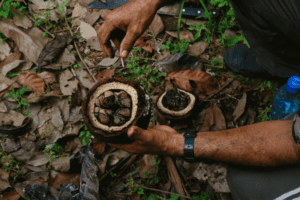
Responsible tourism in the Amazon must benefit those who live in the forest. Reputable lodges maintain respectful and active relationships with local communities through fair employment, support for social projects (schools, healthcare), and purchasing local products.
Practical Considerations in Amazonas
- Health and Safety: Verify that the lodge has emergency plans, satellite communication, and food safety protocols. The yellow fever vaccine is highly recommended.
- Seasonality (High vs. Low Water): The landscape around Manaus changes drastically:
- High Water Season (approx. December to May): The rivers rise. This is the time to explore the igapós (flooded forests) by canoe, a magical experience, especially in the Rio Negro region (Anavilhanas).
- Low Water Season (approx. June to November): The waters recede, exposing white-sand praias fluviais (river beaches). This is the best time for land-based hikes and, in some areas, wildlife viewing as animals concentrate around the remaining water sources.
- Connectivity: Prepare for a digital detox. Most lodges offer limited (and slow) Wi-Fi only in common areas. Some remote locations offer no connection at all, encouraging total immersion.
Lodge Highlights in the Amazonas Region
Finding the perfect lodge in Amazonas is the foundation of a transformative journey. The region near Manaus offers some of the most spectacular jungle accommodations in the world. To help in your decision, we highlight four of the most sought-after lodges:
Juma Lodge
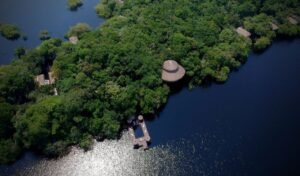
- Famous for its remote location (about 3 hours from Manaus) in the Juma River basin, a highly preserved area of primary forest. It offers deep, authentic immersion with comfortable bungalows (some on stilts) and a strong commitment to sustainability. It is ideal for those seeking a “true” jungle experience without sacrificing comfort.
Anavilhanas Lodge
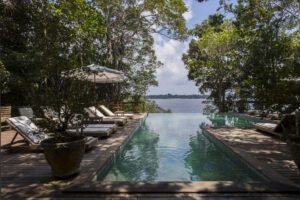
- Considered one of the most luxurious lodges in the Amazon. It is located opposite the Anavilhanas National Park, the second-largest river archipelago in the world, on the Rio Negro. It features sophisticated designer architecture, fine dining, and premium services. It is the perfect choice for those seeking maximum comfort, luxury, and spectacular landscapes.
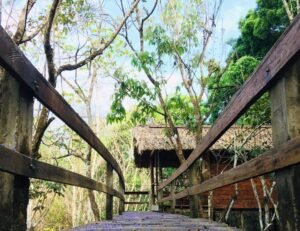
- Located in a more accessible area on the Rio Negro, this mid-range lodge (good value) focuses on wildlife interaction. As the name suggests, it is famous for its proximity to pink river dolphins, offering an experience focused on fauna observation and aquatic activities.
Mirante Lodge
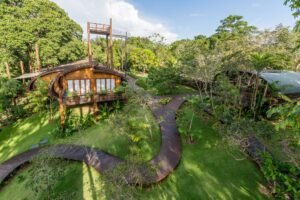
- Situated near the town of Novo Airão, also on the banks of the Anavilhanas Archipelago. It stands out for its unique and bold architecture (with bungalows resembling inverted boats) and its focus on design and gastronomy. It is a luxury option that combines art, comfort, and a sophisticated immersion into the Rio Negro ecosystem.


No responses yet